Poker Games That Reward Mathematical Thinking
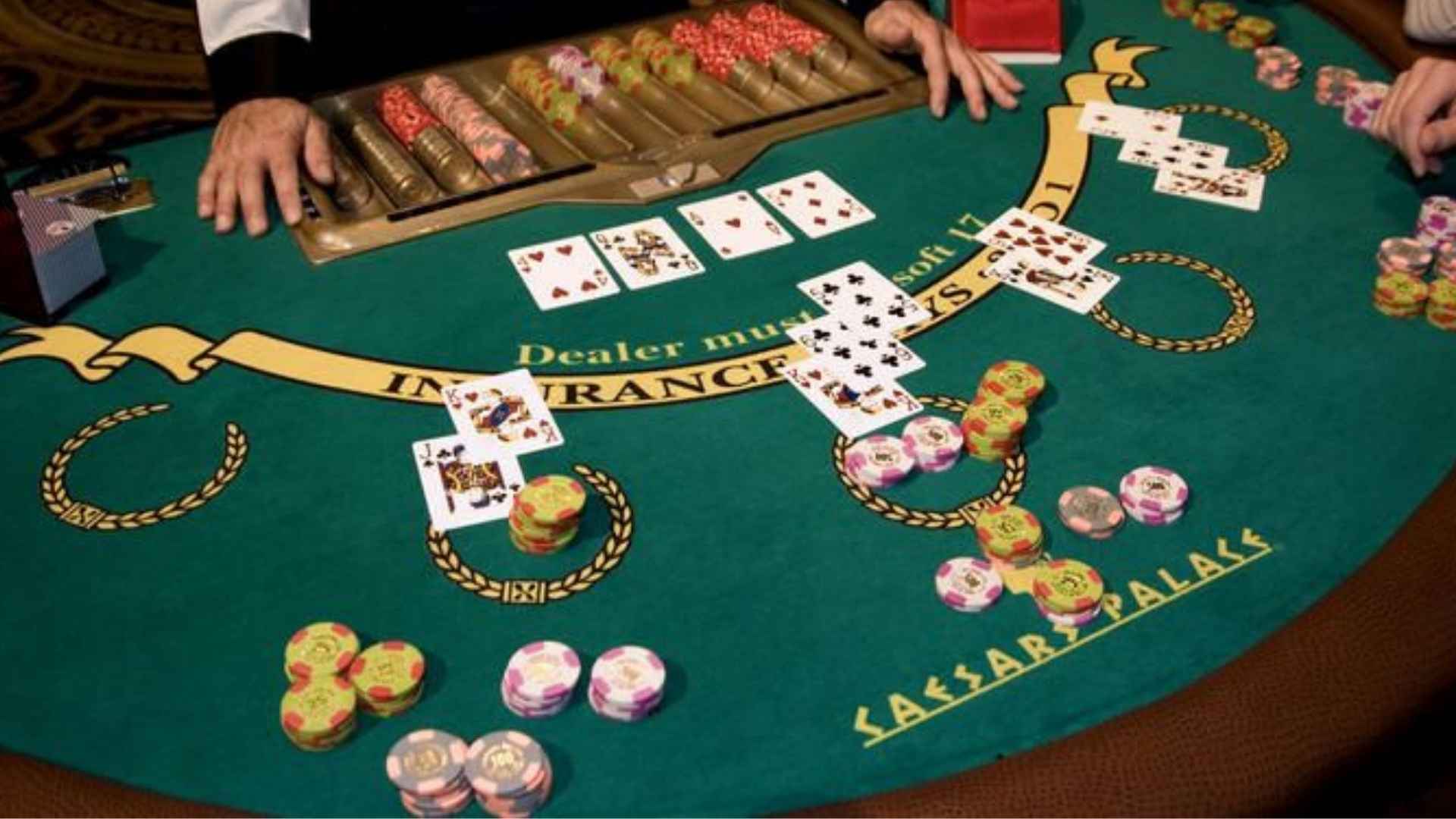
While many casual observers view poker as a game governed by luck and psychological intuition, seasoned players recognize it as a profound exercise in applied mathematics. Successful long-term play relies heavily on a firm grasp of probability, combinatorics, and game theory logic. By shifting your approach toward numbers, you can systematically reduce the element of chance and secure a reliable competitive edge.
Texas Holdem and Expected Value
Texas Hold'em stands as the most prominent example of a poker game heavily rooted in probability. Every pre-flop decision, continuation bet, and river call requires a precise evaluation of expected value to ensure profitability over time. Players must constantly calculate the relationship between risk and reward to avoid costly errors.
Mastering these fundamental concepts requires a reliable platform where you can analyze hand data and study common betting structures. Checking a trusted source such as the m88 login terbaru page allows individuals to participate in structured games that challenge their analytical mindset. Consistent exposure to data-driven card metrics will naturally sharpen your mathematical instincts.
Omaha Poker and Deep Combinatorics
Omaha variants take mathematical complexity to a different level by providing each participant with four hole cards instead of two. This structural adjustment creates a massive surge in potential hand combinations, demanding rigorous mental calculations before every single action. Relying purely on gut feelings in Omaha will quickly lead to financial vulnerability.
In this format, players must accurately determine how their specific blockers interact with the communal board texture. Because equities remain much closer together, understanding slight statistical advantages becomes the defining factor between winning and losing. This environment rewards those who think structurally rather than emotionally.
Seven Card Stud and the Art of Counting Live Cards
Seven Card Stud introduces a unique mathematical variable because multiple opponent cards are dealt face-up on the table. This dynamic forces analytical minds to continuously track visible cards to determine the exact number of remaining outs. Forgetting a single folded card can compromise your entire strategy.
Calculating the true probability of completing a flush or straight requires strict mental discipline and observation throughout the hand. As a result, the game favors disciplined mathematicians who enjoy real-time data tracking and memory exercises. The hidden depth of Stud rewards precise analytical execution above all else.
The Shift Toward Game Theory Optimal Strategies
Modern card games have been heavily influenced by computer solvers that focus on Game Theory Optimal choices. This mathematical framework allows players to construct unexploitable betting frequencies across different board runouts. Implementing a balanced strategy ensures your overall play remains profitable regardless of individual opponent styles.
While human players cannot memorize millions of solver solutions, studying the underlying patterns helps build reliable heuristics. Embracing a systematic approach elevates your perspective from basic guessing to high-level tactical decision making. Ultimately, treating the table as a mathematical puzzle is the most sustainable path to long-term triumph.